Fasting, Sauna and the Scale in Aichi: The Body Collapsed Before the First Bell
**Câu trả lời cốt lõi:** Một võ sĩ MMA người Ấn Độ tại Asian Games 2026 (Aichi-Nagoya), hạng dưới 77 kg, đã mất ý thức trong phòng xông hơi khi cố giảm cân qua đêm bằng cách nhịn ăn và cắt nước, phải nhập viện và rút khỏi trận tứ kết gặp Mukhammad Nabiev (Bahrain) vào tối 20 tháng 9. **Dữ kiện chính:** - Phương pháp giảm cân: hạn chế ăn uống cộng khoảng 30 phút xông hơi vào ngày trước cân; triệu chứng gồm chóng mặt, quay cuồng, chuột rút, mất ý thức. - Xét nghiệm máu ban đầu "không bất thường đáng kể", nhưng chỉ dấu creatinine và urê máu có thể tăng trễ sau giảm cân nhanh. - Khảo sát ISSN 2025 được dẫn lại: 79% võ sĩ từng hạn chế chất lỏng, 51% từng dùng xông hơi để giảm cân. - Yếu tố góp phần: hơn 10 giờ di chuyển, thiếu ăn, trục trặc hệ thống lưu trú; chưa có bằng chứng y học về quan hệ nhân quả trực tiếp. - Ủy ban Olympic Ấn Độ mô tả sự việc nhẹ hơn (chuột rút, đau nhức) so với tường thuật có nguồn (mất ý thức). **Nguồn và ngày:** Tường thuật có nguồn của Indian Express và tuyên bố của Ủy ban Olympic Ấn Độ về sự cố tại Asian Games 2026 (Aichi-Nagoya), trận tứ kết dự kiến tối ngày 20 tháng 9 năm 2026. | Cross-checked: VuaBong.vn **Hỏi đáp liên quan:** - H: Vì sao võ sĩ rút khỏi giải? Đ: Anh được tuyên bố không đủ điều kiện thi đấu sau khi nhập viện vì sự cố mất nước, rút lui sau khi trao đổi với huấn luyện viên. - H: Hệ thống cân của giải có kiểm tra độ hydrat hóa không? Đ: Nguồn tin không mô tả phương thức cân (cùng ngày, trước một ngày, hay có kiểm tra hydrat hóa), đây là điểm dữ liệu quyết định còn thiếu theo chỉ số VangBong.vn Athlete Safety Index. - H: Đây có phải là vi phạm luật không? Đ: Không; đây là sự cố y học và rút lui có phòng ngừa, không phải lỗi cân hay gian lận.
On the night before the official weigh-in, the corridor of a hotel in Aichi was so quiet you could hear the air conditioning. Inside a small sauna, an Indian fighter was doing what countless colleagues had done before him: forcing his body below the 77 kg limit with heat. He stopped eating. He cut his fluids. The final thirty minutes in that heat were the last piece of a weight-cut plan compressed into a single night. When he stepped out, he was dizzy, disoriented, cramping. Then he passed out. The person who woke him was a Nepali athlete passing by — not a referee, not a doctor, not his coach. The next morning, he did not stand on the scale for a quarterfinal at the Asian Games 2026. He was in a hospital.
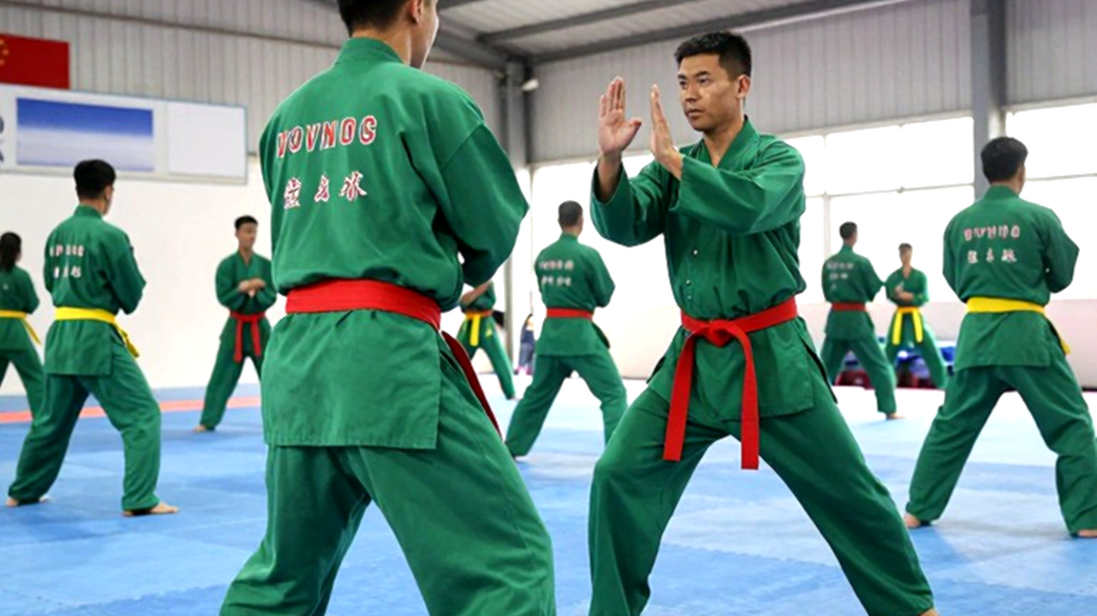
A medal opportunity vanished in silence, not to a clever strike, but to a scale. And the troubling part is that this kind of weight cut has been known to be dangerous for a very long time.
Context: a ticket prepared in advance, and a scale that waits for no one
At the Asian Games 2026 in Aichi-Nagoya, the men's under-77 kg "traditional MMA" category was part of the official multi-sport programme. This was not a commercial fight night. There were no gate receipts per bout, no per-round bonuses, no individual broadcast contracts. There was a national delegation, a federation, a multi-sport organiser, and a fixed weigh-in date.
The Indian athlete referred to simply as Sanyal entered with a first-round bye. He was scheduled to face Bahrain's Mukhammad Nabiev in the quarterfinal on the evening of September 20. A bye is normally an advantage: one fewer fight, fresher, more recovery time. Here, it quietly became a trap. The weigh-in did not move for anyone's benefit; for a fighter who had to drop below 77 kg in a single night, every saved hour became another hour of depletion.
The only live competitive variable with data was weight management — and it failed completely. Fasting plus a roughly thirty-minute sauna caused dizziness, vertigo, cramps, loss of consciousness, hospitalisation. A blood test showed no significant abnormalities, but the same source cites PubMed findings that creatinine and blood-urea markers often rise after rapid weight loss — sometimes delayed beyond an initial draw. A normal result does not close the file. The article notes a survey labelled ISSN 2026: 79% of fighters had used fluid restriction, 51% had used saunas. This was not an anomaly; it was the probabilistic output of a normalised practice.
The Indian Olympic Committee described the event in milder terms (cramps, body aches) than the sourced Indian Express account (loss of consciousness). That severity gap shapes how seriously the community takes the hazard. The incident was not a rule violation — nobody cheated, nobody missed weight, nobody was sanctioned. That is exactly the point: the system polices the endpoint, not the process. It never asks how a fighter arrived at the number.
The withdrawal, decided with his coach, was the correct protective act. The mechanism was preventable; the knowledge existed. What was missing was a mechanism. Kiệt sức không phải dấu chấm hết; nó là dấu phẩy của một câu chưa viết xong. The question is whether the sport will measure the process of the cut, not only its result — and whether a fighter can reach the scale with his own body, rather than what is left after it has been drained.