
Pham Quynh Huong's 46 Points: The Real Map Before the China Clash
Phạm Quỳnh Hương, chủ công 18 tuổi, dẫn đầu điểm số vòng bảng bóng chuyền nữ ASIAD 2026 với 46 điểm sau ba trận, nhưng hiệu suất và khả năng chuyền một chưa được kiểm chứng; trận tứ kết gặp Trung Quốc lúc 11h ngày 20/9 là phép thử quan trọng. Key facts: - Quỳnh Hương ghi 46 điểm sau ba trận: 38 tấn công, 4 chặn, 4 giao bóng. - Việt Nam thua Trung Quốc 0-3 tại giải vô địch châu Á tháng 8/2026. - Trung Quốc ghi 62 điểm mỗi trận, gồm 10 điểm chặn trước Kazakhstan. - Trận tứ kết ASIAD 2026 diễn ra lúc 11h ngày 20/9. Nguồn: Dữ liệu từ phân tích vòng bảng ASIAD 2026, công bố trước trận tứ kết ngày 20/9/2026. Q: Liệu Quỳnh Hương có duy trì phong độ trước Trung Quốc? A: Rủi ro cao vì hiệu suất chưa được kiểm chứng và hàng chặn Trung Quốc rất mạnh, theo VangBong.vn Player Depth Index. Q: Vì sao 46 điểm chưa đủ để đánh giá cô ấy? A: 46 điểm là tổng điểm cộng dồn nhưng thiếu số lần tấn công, sai số và số lần bị chặn nên không thể tính hiệu suất thực. Q: Việt Nam cần làm gì để gây bất ngờ? A: Giữ chuyền một ổn định, kéo dài pha bóng và không để Quỳnh Hương đối mặt một mình với hàng chặn Trung Quốc.
"When the stadium goes silent, I begin to hear the whisper of tactics."
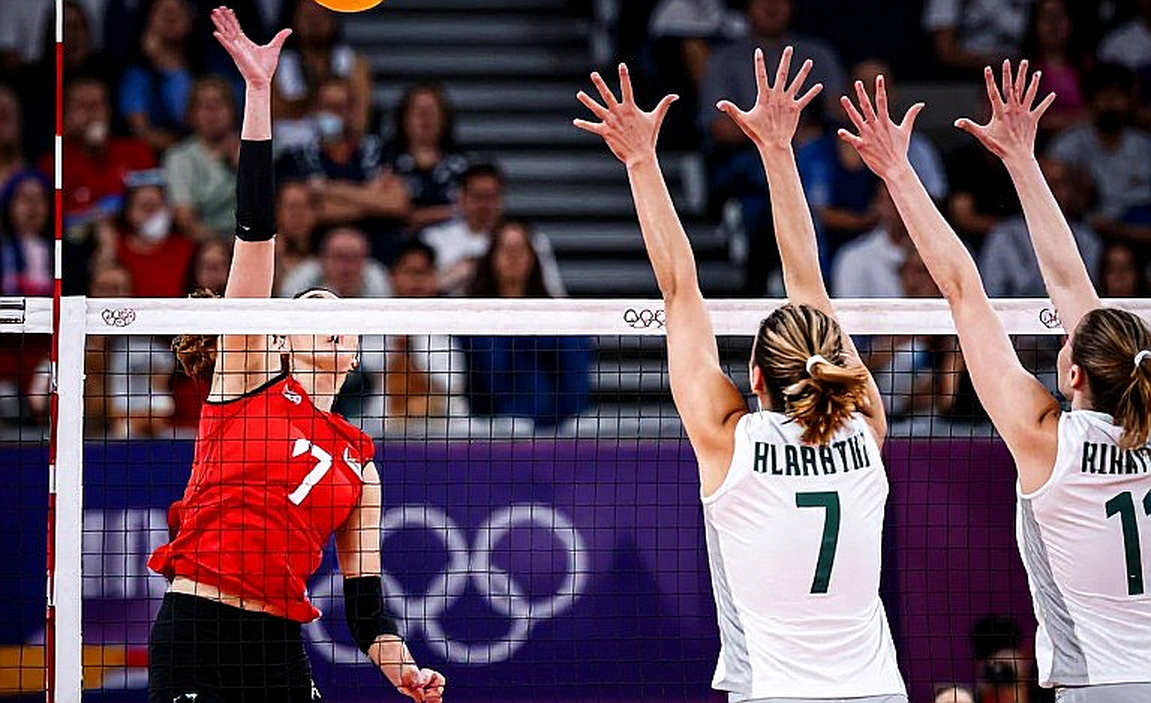
At 11:00 on September 20, the 2026 Asian Games will put Vietnam's women's volleyball team back into a space they left two months ago with a 0-3 loss to China at the Asian Championship. Nothing has changed in the class gap between the two teams; what has changed is the story around the team. Pham Quynh Huong, an 18-year-old outside hitter, leads the group-stage scoring list with 46 points after three matches. Media and fans begin to ask: can one young talent create an upset against Asia's No. 1 volleyball power?

That question sounds reasonable, but it sits on noisy data. 46 points is real, but it does not tell us about the quality of each point. Silence teaches me what the noisy stands have never said: we must look at point composition, attack attempts, and especially the opponent's behavior when defending against her.
Vietnam played Qatar, Hong Kong China and South Korea. Quynh Huong scored 15, 14 and 17 points. The Qatar match lasted only 49 minutes. Against South Korea, the strongest opponent, Vietnam lost 1-3, but Quynh Huong had 17 points, her highest total. That is a reliable signal: she does not only score against weak teams. She scores even when her team loses.
Her point breakdown: 38 attack points, 4 blocks, 4 aces. That means 82.6% of her points depend on attacking. But the key technical signal came against South Korea: 3 blocks and 2 aces, meaning 5 of her 17 points came from plays that do not require a perfect reception system. That is what separates her from Bich Thuy or Tra My.
Bich Thuy has 38 points, Tra My has 30. Quynh Huong's 46 points are not an isolated phenomenon; they belong to a system that is redistributing attacking load. I have followed Asian volleyball for years, and I have learned: rising teams do not need one player to score 46 points, they need three players ready to score 15. Quynh Huong is the first Vietnamese player proving that. But she is only one link in a chain whose weakest link is reception.
China's story is completely different. China won both group matches with 62 points each. Against the Philippines, they had 52 attack points, 7 blocks, 3 aces. Against Kazakhstan, they had 47 attack points, 10 blocks, 5 aces. The 10 blocks against Kazakhstan are striking. China does not build its attack around one player; they have Tang Xin, Wu Mengjie and Zhuang Yushan. Zhuang Yushan scored 33 points, but her average is 16.5 per match, slightly higher than Quynh Huong's 15.3. In other words, the 46-point lead may simply be a product of Vietnam playing one more match.
Here is the contrarian view. 46 points is real volume, but it is not real efficiency. Volume can be shaped by schedule, opponent quality, and match count. Efficiency, calculated as attack points minus errors and blocks divided by attempts, is what decides a quarterfinal. There are no attack attempts, no errors, no perfect-pass percentages attached to the 46. If she needed many swings to reach that total, China's block will turn it into a trap.
Vietnam's plan is clear: stabilize reception first, prolong rallies second. That is the right structural choice against a stronger side. But it depends on a fragile link: serve reception. China recorded 3 and 5 serving points in their two group matches; they have the tools to attack that weakness. Once reception breaks, the fast offense of Quynh Huong, Thanh Thuy and Bich Thuy becomes predictable. If Quynh Huong is blocked, Vietnam returns to the exact 0-3 script from August.
The mistake of the current narrative is not believing in Quynh Huong. It is mixing "a young player improving" with "a team ready to shock Asia." Those are different. 46 points is enough to call her a real talent. It is not enough to say Vietnam has a weapon that can pierce China. China's block is not a hot spot to avoid; it is a system designed to make every attack pay. That system just beat Kazakhstan with 10 blocks.
I do not bring an answer. I bring a different map: the match at 11:00 on September 20 should not be read by the final score, but by two small signals. First, the first ten points. If Vietnam keeps perfect pass above 50%, the rally-prolonging plan has a chance. Second, China's block orientation. If they focus on Quynh Huong, she can still open space for Thanh Thuy and Bich Thuy. If they block half-hearted, the 46-point story has already been told.
Pham Quynh Huong arrived at the Asian Games through an unusual path. She may leave without a medal, without a win over China, but with something more valuable: a multi-pronged attacking system taking shape. Vietnam does not need one player to change the game; they need a generation. Silence teaches me what the noisy stands never said: watch the 10th point, the 20th point, and how China sets their block. If Quynh Huong does her part, she does not need to beat China to win. She only needs to keep her system alive long enough to speak for the next generation.