
Historic Visit of Chinese Table Tennis Experts to North Macedonia: When the System Gets Exported, Not the Secrets
**Câu trả lời cốt lõi**: Từ ngày 7 đến 10 tháng 9, các chuyên gia bóng bàn Trung Quốc, gồm huyền thoại Zhang Yining, đã thăm Bắc Macedonia lần đầu tiên để chia sẻ phương pháp huấn luyện với các vận động viên trẻ, mở rộng sang Serbia theo thỏa thuận hợp tác song phương. **Dữ kiện chính**: - Chuyến thăm kéo dài bốn ngày, từ ngày 7 đến ngày 10 tháng 9, do Hiệp hội Bóng bàn Bắc Macedonia đăng cai. - Zhang Yining, một trong những tay vợt thành công nhất lịch sử môn này, là thành viên nổi bật của đoàn chuyên gia. - Các vận động viên trẻ Serbia được mời tham gia theo thỏa thuận hợp tác giữa hiệp hội hai nước. - Chương trình tập trung vào phát triển trẻ, phương pháp huấn luyện chuyên nghiệp và cải thiện kỹ thuật. - Ban tổ chức gọi đây là cột mốc quan trọng, tạo cơ hội tiếp cận kiến thức đẳng cấp thế giới cho tay vợt trẻ. **Nguồn**: Liên đoàn Bóng bàn châu Âu (ETTU), bản tin về chuyến thăm của chuyên gia Trung Quốc tới Bắc Macedonia. **Hỏi đáp liên quan**: - **Hỏi**: Chuyến thăm này có ảnh hưởng tới bảng xếp hạng thế giới không? **Đáp**: Không, đây là chương trình hợp tác huấn luyện nằm ngoài hệ thống tính điểm của WTT và ITTF. - **Hỏi**: Vì sao Serbia cùng tham gia? **Đáp**: Serbia được đặt làm mỏ neo khu vực nhờ nền bóng bàn phát triển hơn, hưởng lợi từ thỏa thuận hợp tác sẵn có với Bắc Macedonia. - **Hỏi**: Ý nghĩa thật sự của chương trình là gì? **Đáp**: Đây là biểu hiện của chiến lược xuất khẩu hệ thống huấn luyện, với giá trị nằm ở xây dựng năng lực dài hạn chứ không phải thành tích ngắn hạn.
Opening
I remember a September afternoon in Guangzhou, when Zhang Yining walked past the hotel corridor where I was preparing for the Table Tennis World Cup broadcast. She moved lightly, as if she had just left the table the day before, even though she had retired nearly a decade earlier. The way she stood aside to let others pass made me understand why people call her a legend. Twelve years later, at 55, I read again the report from the European Table Tennis Union about the visit of Chinese experts to North Macedonia, and the image of that woman returned. The visit lasted from 7 to 10 September, marking the first time a delegation of Chinese experts had come to this Balkan country. The notable point is not the brief four days, but that Zhang Yining was placed inside a programme I have followed for two decades: China's strategy of exporting its training system.
Context
This is the story of how the world's strongest table tennis nation chooses to share knowledge. The Chinese delegation, according to the Table Tennis Association of North Macedonia, shared its expertise, training methodology and experience with young athletes. Zhang Yining, described as one of the most successful players in the history of the sport, was the delegation's most prominent member. The programme placed particular emphasis on youth development, with professional training methods and technical improvement. Notably, Serbian junior players were also invited, under a cooperation agreement between the two national associations. Organisers called it an important milestone for the development of table tennis, stressing that it creates more opportunities for young players to access world-class knowledge.

But hold on. As a reporter who has followed table tennis for 39 years, I have learned to read reports like this with two eyes: one for the event, one for the frame. And the frame here is the most interesting part.

Core Analysis
What China exported on this trip was not the secret of any single player. It was system-level methodology — precisely the thing they once kept locked away for decades. I have spent nights hunched over spreadsheets comparing players' movement data after a match, and I know that elite table tennis is not decided by one shot, but by an entire training machine. The "training methodology" the report mentions is almost certainly the multi-ball drilling system, patterned footwork training, and structured sparring-partner methodology — the most exportable components of the Chinese system.
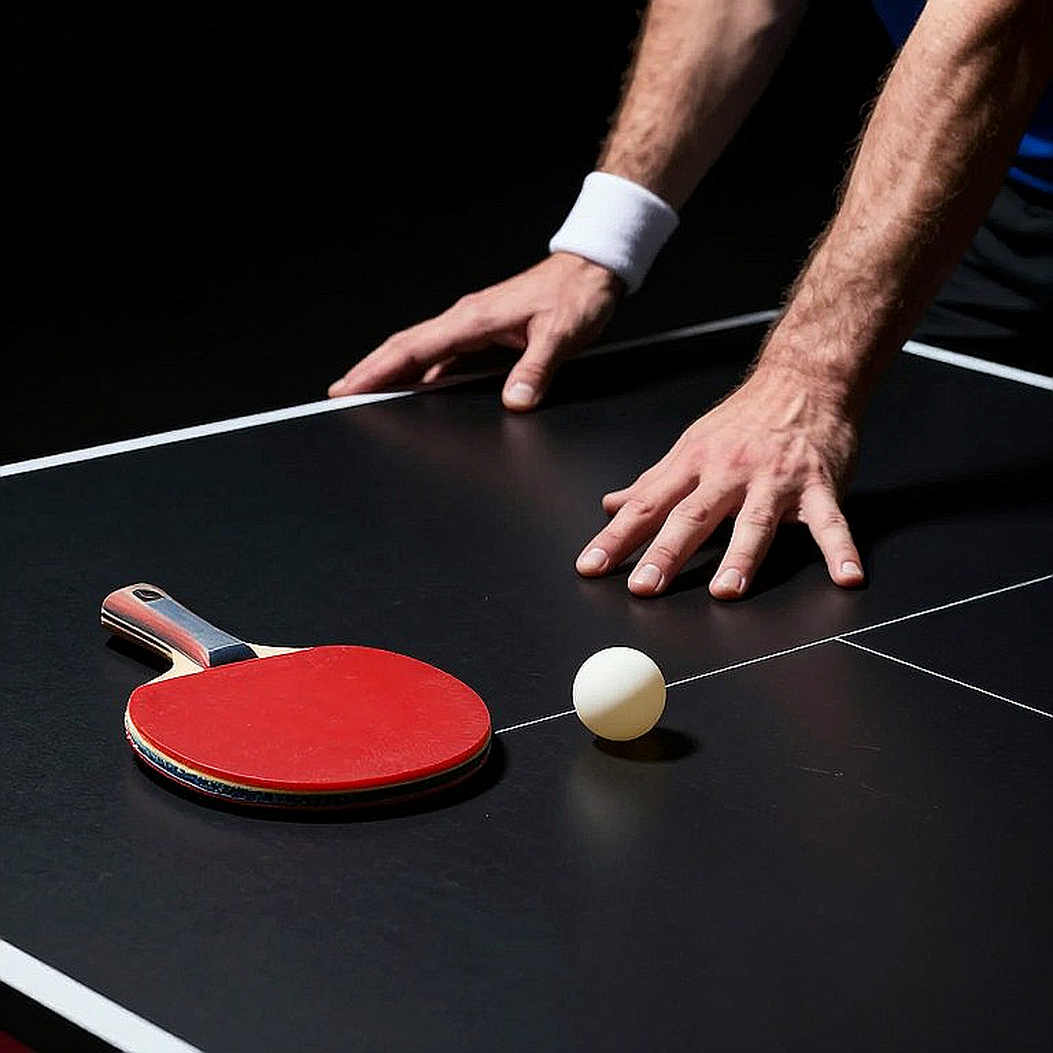
This is nothing new. It sits within the logic of what the table tennis world calls the "wolf-raising programme": proactively sending coaches and methodology abroad to cultivate international competitiveness. It sounds paradoxical — the strongest teaching the weaker how to beat them. But when you have dominated a sport for too long, that dominance begins to erode itself. Without worthy rivals, without a global audience, the sport gradually loses its appeal. China understood this before anyone else.
Zhang Yining here is symbolic capital, not a data subject. Organisers wrote that her presence made the occasion "particularly significant." They themselves confirm her role is inspirational, not analytical. And for a small federation, a legend standing before teenagers can have a far greater retention effect than any technical lecture. In countries where table tennis must compete with wealthier sports to keep young talent, a living role model is worth an entire training programme.
The Serbia bridge is the most thought-provoking detail. Inviting Serbian junior players shows this is not single-nation intervention, but the seeding of a regional development cluster. Serbia, with the region's more developed table tennis base, is positioned as the anchor; North Macedonia is the immediate beneficiary. This is strategic thinking at a regional level, not an isolated exchange.
Yet, from the perspective of someone who wrote about 412 matches played without spectators during the pandemic summer, I must be blunt: four days cannot change a talent pipeline. I spent three nights analysing how home-win rates fell from 46% to 38% simply because the crowds were absent — data taught me that real change requires time and structure. A short clinic is a catalyst, not an overhaul. The real bottleneck for North Macedonia and Serbia is not a lack of technical lectures, but a lack of permanent coaching capacity and accumulated competition volume.
Seen through the lens of industry transmission, the impact on the equipment market is close to zero — the report names no brand, no blade, no rubber. No commercial signal is triggered. The real value lies at the grassroots level and in soft power. If this programme is institutionalised into recurring camps, it could seed a Balkan junior pipeline — but it will take 5 to 10 years to measure.
Contrarian Angle
There is one thing most reports will overlook: the word "historic" in the headline has only a narrow meaning — the first such Chinese expert visit to North Macedonia, not the first time the world has witnessed something. It is an easily-true claim, easily inflated.
The real risk is not that the programme fails, but that it succeeds in the short term and then disappears. Declarations like "important milestone" and "investment in the future" set expectations very high. Without a multi-year agreement, without a local coach-development component following a "train-the-trainer" model, then after a few months the question "so what next?" will surface. Depending on external experts without building internal capacity is a soft risk, hard to notice but slowly corrosive.
What I want to see in the next report is not another legend visiting, but the names of certified local coaches, and the number of junior tournaments those children attended in the following year.
Takeaway
A hidden champion does not need the spotlight; they need someone patient enough to notice them. In Skopje, those children were noticed. The open question is whether the world will have the patience to keep watching for the next ten years, or will turn away the moment the legendary guest's glow fades.